Weddings in Hawaii are more than just scenic backdrops and tropical flair—they are rooted in cultural traditions that honor love, family, and spiritual connection. Among these traditions, the lei exchange holds a special place. It’s a symbolic act that expresses love, unity, and respect between partners.
Whether you’re planning a destination wedding on the islands or simply drawing inspiration from Hawaiian customs, understanding the deeper meaning of the lei exchange can add a powerful layer of significance to your celebration.
This article will explore the history, symbolism, types of lei, ceremony steps, modern adaptations, sustainability, and cultural value of the lei exchange in Hawaiian weddings and beyond.
What Is a Lei?
A lei is a garland or wreath, often made from flowers, leaves, shells, seeds, or even feathers. In Hawaiian culture, a lei is more than a decoration—it’s a gesture of affection, a symbol of connection, and a gift from the heart.
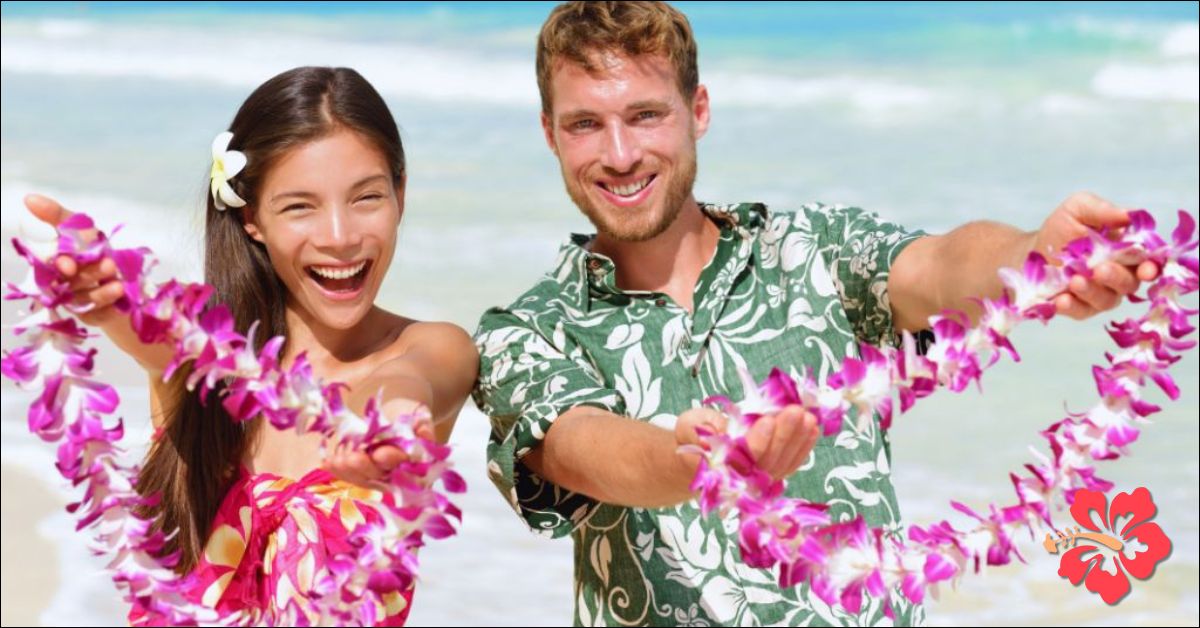
Lei are given for many reasons: to greet someone, to say farewell, to celebrate milestones, or to honor important moments. In weddings, the lei exchange becomes a shared experience, marking the emotional and spiritual bond between two people.
Where Did the Lei Tradition Come From?
The tradition of making and wearing lei was introduced to Hawaii by early Polynesian voyagers. These settlers brought with them customs, beliefs, and materials from their homelands. Leis were woven from whatever was available—plumeria, maile vines, kukui nuts, ti leaves, shells, and more.
Each lei held a specific meaning and was crafted for a particular purpose. Some were used to honor chiefs, while others were used to welcome guests or signify spiritual blessings. Over time, lei became deeply intertwined with the rhythm of daily life and the spiritual practices of native Hawaiians.
The lei exchange in weddings is one of the most sacred ways this tradition has been preserved and passed down through generations.
Why Is the Lei Exchange Important in Hawaiian Weddings?
In traditional Hawaiian weddings, the lei exchange is often the first act in the ceremony. It sets the tone for everything that follows. As the couple gives and receives lei, they’re not just offering flowers—they’re sharing their love, intentions, and commitment.
The circular shape of the lei symbolizes eternity, with no beginning or end. This makes it a perfect metaphor for marriage. Exchanging lei also represents an emotional connection and the blending of two lives, families, and cultures.
While the wedding may incorporate Western traditions, such as vows and rings, the lei exchange is a uniquely Hawaiian custom. It brings heart and depth to the ceremony in a way that few other rituals can.
What Types of Lei Are Used in Weddings?
Each type of lei used in Hawaiian weddings carries its own meaning. The choice of lei is often personal, selected to reflect the couple’s bond, cultural background, or values. Here are some of the most common types used during a lei exchange:
1. Maile Lei
The maile lei is perhaps the most traditional lei used in weddings. Made from green vines, it has a pleasant, earthy scent and is often worn with an open-ended design. This lei symbolizes respect, honor, and peace. In wedding ceremonies, the groom typically wears a maile lei, and sometimes both partners wear matching versions.
2. Pikake Lei
The pikake flower, also known as jasmine, produces a fragrant white blossom that represents love and romance. The pikake lei is often chosen for brides and symbolizes beauty, commitment, and gentle strength.
3. Lei Po’o (Head Lei)
A lei po’o is worn around the head like a crown. These are often made of tropical flowers and ferns and are especially popular with brides, flower girls, and even grooms. The lei po’o adds a ceremonial feel and symbolizes honor and elevation within the space.
4. Kukui Nut Lei
Kukui nuts represent enlightenment, protection, and peace. These glossy brown or black nuts are strung together to form a lei, often worn by officiants or family members. They add a masculine touch and can be reused or passed down.
5. Orchid Lei
Orchid lei are popular for guests and wedding party members. They are long-lasting and available in a range of colors. While not as traditional as maile or pikake, orchids still carry the spirit of aloha and are widely appreciated in lei exchanges.
What Happens During a Lei Exchange Ceremony?
The lei exchange ceremony is simple yet meaningful. It usually takes place at the start of the wedding and involves the couple giving and receiving lei in front of their guests.
Here’s how it typically unfolds:
- Blessing of the Lei: In many ceremonies, especially traditional ones, a kahu (Hawaiian officiant) or respected elder blesses the lei. This may involve chanting or prayer, calling for protection and guidance for the couple.
- Giving the Lei: The groom presents his lei to the bride, placing it gently over her shoulders. This is his gesture of love, welcoming her into his life and showing his devotion.
- Receiving the Lei: The bride then places her lei on the groom. This act completes the circle of love and symbolizes her mutual commitment.
- Additional Lei Exchanges: Couples may choose to give lei to their parents, children, or members of the wedding party. This shows respect and includes loved ones in the moment.
The lei exchange is often accompanied by traditional Hawaiian music or chants, adding emotional depth to the ritual.
How Have Modern Couples Adapted the Lei Exchange?
While the tradition remains strong, modern couples have found ways to adapt the lei exchange to fit their style and values:
- Destination Weddings: Couples marrying outside of Hawaii still include a lei exchange to honor the islands’ traditions.
- Custom Materials: Some use silk or fabric lei for durability or sentimental reasons.
- Cultural Blends: Couples from different backgrounds may blend the lei exchange with other traditions, such as sand ceremonies or handfasting.
- Inclusive Ceremonies: Lei may also be given to children in blended families or to close friends as a gesture of unity.
These adaptations enable couples to preserve the essence of the lei exchange while making it more personal and meaningful.
Is the Lei Exchange Appropriate for Non-Hawaiian Weddings?
The lei exchange can be respectfully included in weddings outside of Hawaii. However, it’s important to understand the tradition and avoid using it simply as a decorative feature.
To honor the spirit of the lei exchange:
- Learn about its cultural significance
- Choose lei materials thoughtfully
- Consider working with a Hawaiian cultural advisor or officiant
- Explain the meaning of the exchange to your guests during the ceremony
Including the lei exchange with intention and respect can enrich your ceremony, no matter where you are.
What Role Does the Officiant or Kahu Play in the Lei Exchange?
In traditional Hawaiian weddings, a kahu may lead the ceremony. Their role is spiritual and ceremonial, guiding the couple through meaningful rituals such as the lei exchange. A kahu may:
- Offer blessings before the ceremony begins
- Perform a chant (oli) or song (mele)
- Explain the symbolism of the lei to guests
- Call on ancestors or nature for support and guidance
Having a cultural leader present adds depth and authenticity to the ceremony, especially if the couple has ties to the islands.
How Can the Lei Exchange Be More Sustainable?
Sustainability is an important part of Hawaiian culture. Many modern lei makers now focus on eco-friendly practices to honor both tradition and the environment. Couples can make their lei exchange more sustainable by:
- Choosing locally grown or native plants
- Working with lei artists who use sustainable farming methods
- Using biodegradable materials like ti leaves or flower petals
- Repurposing or composting lei after the ceremony
Sourcing locally also supports Hawaiian communities and helps preserve the natural beauty of the islands.
How Can Couples Incorporate the Lei Exchange into Their Wedding?
If you’re planning to include a lei exchange in your wedding, here are a few practical tips:
- Book Early: Work with a florist or lei maker well in advance, especially if you need custom lei.
- Match Materials to Meaning: Choose flowers and materials that reflect your relationship.
- Include Family: You can extend the exchange to include parents, children, or elders.
- Create a Moment: Make space in the ceremony for the exchange to be slow and meaningful.
- Capture It: Let your photographer know this is a key part of your ceremony so it can be documented properly.
Adding a lei exchange to your wedding brings beauty, meaning, and a strong sense of tradition to the day.
Conclusion
The lei exchange is far more than a mere tradition; it’s a profound bridge linking past, present, and future generations, intricately weaving the threads of love, respect, and unity that are core to our human essence.
In a Hawaiian wedding, the lei exchange moment is deeply moving, perfectly capturing the spirit of the islands, and offering a compelling testament to these timeless values. Reflecting on the significance of the lei exchange in traditional Hawaiian weddings, we’re reminded of the incredible beauty found in embracing and honoring our cultural heritage.
This age-old tradition, steeped in history and rich in meaning, continues to inspire and resonate with couples across the globe, standing as a luminous beacon of love and connection in today’s world. Ultimately, the lei exchange transcends being merely a ceremonial act; it celebrates life, love, and the lasting bonds that unite us.
It serves as a powerful reminder that, amidst change and diversity, traditions exist that can unite us, underscoring the importance of respect, understanding, and shared humanity. The spirit of Aloha, propagated through the lei exchange, continues to touch hearts and forge connections beyond the confines of time and space.
In light of this enduring tradition, if you’re dreaming of infusing your special day with the spirit of Aloha, consider reaching out to Aloha Wedding Chapel. Situated in the heart of Las Vegas, our Hawaiian wedding chapel offers a unique blend of traditional Hawaiian wedding customs with the convenience and glamour of a Las Vegas wedding.
FAQs
What is the significance of lei exchange in Hawaiian weddings?
The exchange of leis during Hawaiian weddings is a beautiful tradition that symbolizes the mutual respect and love between the couple. Leis, typically made from flowers, leaves, or nuts, are placed around the necks of the bride and groom. This act represents the unbroken circle of commitment and the eternal bond they are forming. The fragrant and natural elements of the lei also signify the beauty and naturalness of the relationship.
What types of leis are used during the wedding ceremony?
Commonly, two types of leis are used in Hawaiian wedding ceremonies. The Maile lei, made from the green, leafy vine of the maile plant, is often worn by the groom. This lei symbolizes respect, peace, and love. The bride typically wears a lei made of white flowers, such as pikake or tuberose, which represent purity, love, and a transition into married life.
Is there a specific way to exchange leis during a wedding ceremony?
The lei exchange usually takes place at the beginning of the ceremony. Each partner takes turns placing a lei around the other’s neck, often accompanied by a kiss on each cheek. This gesture is not only a symbol of love but also an expression of honor and a warm welcome to each other’s families.
Can family members participate in the lei exchange?
Yes, it is quite common for family members to also participate in lei exchanges during the ceremony. Parents of the bride and groom may exchange leis with their future in-laws, symbolizing the uniting of the two families. This can extend to include siblings and grandparents, reflecting the importance of family and the community in Hawaiian culture.
Are there any specific types of flowers or plants that should be avoided in wedding leis?
While there aren’t specific prohibitions, it’s important to consider the symbolism and fragrance of the flowers and plants used in leis for weddings. Typically, flowers like pikake, tuberose, and plumeria are favored for their beauty and delightful scents. Avoiding overly fragrant or allergy-inducing flowers can be a thoughtful consideration to ensure all guests are comfortable.