Weddings are deeply personal celebrations that reflect not only the union of two people but also the values, culture, and heritage they want to honor.
For couples seeking to create a unique and deeply meaningful experience, planning an authentic traditional Hawaiian wedding provides a powerful way to celebrate love while honoring Hawaiian customs and the spirit of aloha.
This guide walks you through everything you need to know—from traditions and attire to food and location—so you can plan a ceremony that’s true to the culture and unforgettable for everyone involved.
What Makes a Hawaiian Wedding Truly Authentic?
An authentic traditional Hawaiian wedding is not just about location or floral decor. It’s a ceremony rooted in cultural respect, spiritual symbolism, and a deep connection to the land, or ‘āina.
Hawaiian weddings honor values like love, harmony, nature, and ancestry. From the moment guests arrive to the final blessing, each part of the event carries a deeper meaning.
Couples who want to celebrate their love through a Hawaiian lens should approach planning with cultural awareness, not just aesthetics. That means learning about traditions, understanding the symbolism behind the rituals, and collaborating with people who are part of or well-versed in the Hawaiian community.
What Are the Core Traditions in a Hawaiian Wedding?
Hawaiian weddings are rich with ceremony. Whether held on the islands or elsewhere, certain traditions help ground the event in authenticity.
1. The Lei Exchange
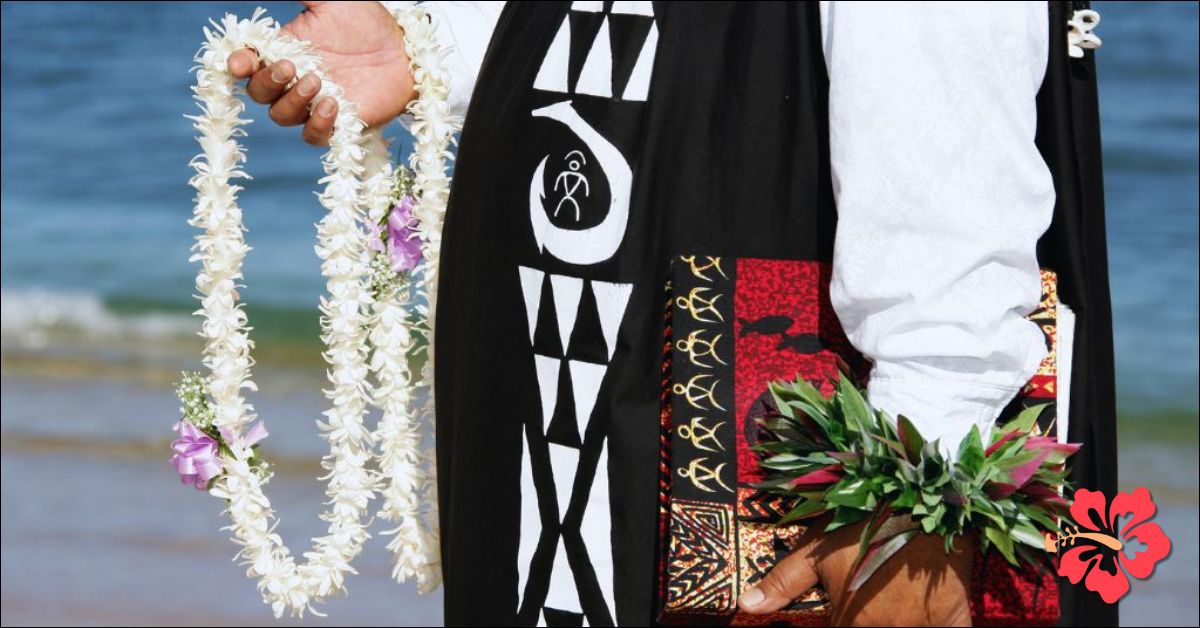
At the heart of any authentic traditional Hawaiian wedding is the exchange of leis. The lei symbolizes love, respect, and the giving of oneself to another. Brides and grooms often exchange leis at the beginning of the ceremony, placing them gently around each other’s necks as a physical symbol of unity.
Leis are traditionally made from flowers like orchids, plumeria, maile, or kukui nuts. Some families also choose to include parents in this ritual, using leis to show acceptance and connection between the families.
2. The ‘Awa Ceremony
Another ancient practice is the ‘awa ceremony, where the couple shares a drink made from the root of the kava plant. The taste is earthy and sometimes bitter, symbolizing the joy and challenges of marriage. Drinking from the same bowl shows trust, shared responsibility, and togetherness.
This ritual is particularly meaningful when led by a kahu (Hawaiian officiant), who understands the ceremony’s cultural depth.
3. Oli and Chants
Hawaiian chants, known as ‘oli, play a crucial role in establishing a spiritual and emotional tone. They are used to call in blessings, honor ancestors, and show reverence for nature and the couple’s journey ahead.
A kahu or chanter typically opens the ceremony with a chant that invites divine presence and welcomes guests to be part of the sacred moment.
4. Blowing of the Conch Shell
Blowing the pu (conch shell) is one of the most iconic moments in an authentic traditional Hawaiian wedding. It signals the start of the ceremony and represents a call to gather. It’s more than just sound—it’s a spiritual announcement that something sacred is about to begin.
How Should You Choose a Location for a Hawaiian Wedding?
In Hawaiian culture, the land is sacred. Known as ‘āina, it is considered an ancestor, a provider, and a spiritual presence. When choosing a location for your ceremony, it’s important to find a place that aligns with the meaning behind your celebration.
Holding your authentic traditional Hawaiian wedding in a location that respects these values adds a sense of harmony to your day. Whether you choose a beach, botanical garden, or private estate, the land itself becomes a witness and a part of your union.
What to Consider When Choosing a Venue
- Avoid locations considered sacred or restricted
- Work with local vendors familiar with cultural sites
- Ask permission if using public or traditional spaces
- Think about how your wedding setup may impact the land
Even if you plan to bring the experience to another state, such as a Hawaiian-themed chapel or a tropical destination wedding, the same respect and mindfulness apply.
What Should You Wear to a Hawaiian Wedding?
1. Traditional Attire for the Couple
For brides, a holokū is a traditional Hawaiian wedding gown. It’s a long, elegant dress often made from white or cream-colored fabric, designed to move gracefully with the wind. Some modern brides incorporate local prints or floral touches that connect to the land.
Grooms may wear white linen pants with a matching aloha shirt or opt for a more traditional look with a malo, a Hawaiian loincloth worn with a sash or cape for ceremonial purposes. The choice depends on the level of formality and cultural connection the couple wishes to embrace.
2. Guest Attire and Dress Code Ideas
Encourage guests to wear Hawaiian-inspired clothing, such as:
- Muumuus for women
- Aloha shirts for men
- Barefoot or sandal-friendly footwear
- Floral or leafy prints
Explaining these choices in your invitations will help guests feel comfortable and involved in the cultural spirit of your wedding.
How Can You Design Invitations and Decor That Reflect Hawaiian Culture?
Invitations That Set the Tone
Your wedding invitations give your guests a first look at your event. For an authentic traditional Hawaiian wedding, use design elements that reflect nature and cultural symbols:
- Taro leaves or hibiscus prints
- Hawaiian phrases like “E komo mai” (Welcome)
- Earthy tones inspired by the land and ocean
You can also include notes about traditional attire, ceremony customs, or Hawaiian words that guests will hear during the wedding.
Decorations That Tell a Story
Use local, natural elements in your decor to honor Hawaiian traditions. Common materials include:
- Bamboo and coconut fibers
- Driftwood and lava rocks
- Tropical flowers like orchids, ginger, and birds of paradise
- Ti leaves and maile vines for garlands
Instead of over-the-top florals, keep things grounded in simplicity and natural beauty, which reflects the Hawaiian connection to nature.
What Role Does Food Play in a Traditional Hawaiian Wedding?
Food is an important part of Hawaiian culture. An authentic traditional Hawaiian wedding menu might include:
- Kalua pig – cooked in an underground oven (imu)
- Poi – mashed taro root, often eaten with meat
- Laulau – pork or fish wrapped in taro leaves
- Lomi-lomi salmon – salted salmon with tomatoes and onions
- Haupia – coconut milk-based dessert
If you’re hosting your wedding outside Hawaii, look for caterers experienced in Hawaiian cuisine or partner with local chefs who can recreate these dishes.
How Do You Incorporate Hawaiian Language and Blessings?
Learning and using simple Hawaiian words and phrases in your ceremony is a thoughtful way to show respect and appreciation. A few examples:
- Aloha – love, compassion, hello, goodbye
- Mahalo – thank you
- Pili ‘uhane – spiritual connection
- Hoomana – to bless
Your officiant or kahu may also include Hawaiian blessings and prayers that speak to the connection between people, land, and spirit.
Conclusion
Planning an authentic traditional Hawaiian wedding is a beautiful declaration of love—not just for your partner but also for the vibrant culture and age-old traditions of Hawaii.
This venture is one of thoughtfulness, respect, and a deep desire to delve into the rich customs that Hawaii offers.
As you set forth on this remarkable journey, bear in mind that the true spirit of a Hawaiian wedding is encapsulated in aloha—embodying warmth, celebration, and a profound respect for all around you.
Armed with this guide, you’re poised to orchestrate a celebration that not only pays homage to your profound love but also reverently acknowledges the rich cultural tapestry of the Hawaiian Islands.
If the dream of a Hawaiian wedding captures your heart, but a journey to the islands isn’t within reach, consider bringing the spirit of Hawaii to you. Aloha Wedding Chapel in Las Vegas offers an enchanting blend of traditional Hawaiian wedding experiences away from the islands.
We invite you to reach out to Aloha Wedding Chapel to discover how we can turn your dream of a Hawaiian-themed wedding into a stunning reality, right in the heart of Las Vegas.
Let’s make your wedding day not just beautiful and authentic but also uniquely memorable.
Cheers to embarking on a journey toward a breathtakingly beautiful, authentic, and memorable Hawaiian Las Vegas wedding chapel experience.
FAQs
What are the key elements of a traditional Hawaiian wedding ceremony?
A traditional Hawaiian wedding often includes key elements such as the exchange of leis, a ceremony conducted by a Kahu (Hawaiian priest), and Hawaiian language chants called ‘Oli. These elements emphasize the connection to Hawaiian culture and the aloha spirit, making the ceremony heartfelt and meaningful.
How can I incorporate Hawaiian music and dance into my wedding?
Hawaiian music and dance can be integrated into your wedding through live performances of traditional Hawaiian songs and hula dancing. Consider hiring a local Hawaiian band or a hula halau (dance troupe) to perform during the ceremony or reception, providing an authentic and enchanting atmosphere.
What are some traditional Hawaiian foods to include in a wedding menu?
To give your guests a taste of Hawaii, including traditional dishes such as poi (taro paste), laulau (pork wrapped in taro leaves), poke (seasoned raw fish), and haupia (coconut pudding) in your wedding menu. These foods are staples in Hawaiian celebrations and offer a genuine culinary experience.
What should I consider when selecting a venue for a traditional Hawaiian wedding?
When choosing a venue for a traditional Hawaiian wedding, consider locations that highlight Hawaii’s natural beauty, such as beaches, botanical gardens, or cultural sites like historical Hawaiian heiaus (temples). These settings not only provide stunning backdrops but also resonate with the cultural significance essential for an authentic Hawaiian wedding.
Are there specific Hawaiian customs or etiquette I should know for my wedding?
Hawaiian culture values respect and harmony, so it’s important to approach your wedding with sensitivity to local customs and traditions. This includes asking for permission to use certain locations, understanding the significance of sacred sites, and ensuring that your celebration honors the cultural heritage by incorporating authentic practices rather than resorting to commercialized versions.